
Movement During Peptide Therapy | Taochemy Gentle Reset
Most patients who start peptide therapy, NAD+ infusions, or any kind of regenerative care focus on what goes into the body. The injection, the drip, the dosing schedule. That focus is reasonable, but it is only part of what determines whether the protocol works.
The other half of the equation is what the body is doing when the peptide arrives. Whether the tissue is well-oxygenated, whether the nervous system is in repair mode, whether the lymph is moving, whether the receptors are open and ready to receive a signal. All of that depends on the state you bring to the appointment.
That is where the Taochemy™ Gentle Reset Movement Program comes in. It is a structured, 15 to 25 minute daily practice we developed for patients on metabolic, regenerative, optimization, and longevity protocols. The intent is not to burn calories. It is to prepare the body so it can use the care you are already investing in.
Why movement matters during peptide care
Peptides like semaglutide, tirzepatide, BPC-157, and growth hormone secretagogues do not act in a vacuum. Whether they produce results depends on six things happening inside the body at the same time:
Receptor availability. Peptides bind to specific receptors. When tissue is inflamed, hypoxic, or metabolically congested, those receptors respond less reliably.
Mitochondrial signaling. Peptides instruct cells to produce, repair, and recover. That entire conversation runs on mitochondrial energy.
Lymphatic transport. Peptides and their byproducts travel through interstitial space and lymph. Sluggish lymphatic flow blunts both delivery and clearance.
Autonomic balance. Chronic sympathetic dominance suppresses the parasympathetic systems that govern repair, digestion, and detox.
Fascia conductivity. Fascia is now understood as a signaling network. Hydrated, mobile fascia transmits biomechanical and biochemical signals more efficiently than tight or dehydrated fascia.
Detox clearance capacity. The liver, lymph, and glymphatic system have to keep pace with the byproducts of regenerative work.
Gentle, structured movement supports every one of these. It improves methyl donor cycling, which feeds the methylation pathways that govern gene expression and detoxification. It strengthens vagal tone, which is the parasympathetic switch for repair. It moves circulation and lymph, sharpens mitochondrial signaling, opens detox pathways, and primes tissue for remodeling.
In practical terms, movement becomes a delivery amplifier for the regenerative care you are already paying for.
The 5 Phases of the Gentle Reset
Total daily time commitment: roughly 15 to 25 minutes.
Phase 1. Breath and Vagus Activation (daily, 5 minutes)
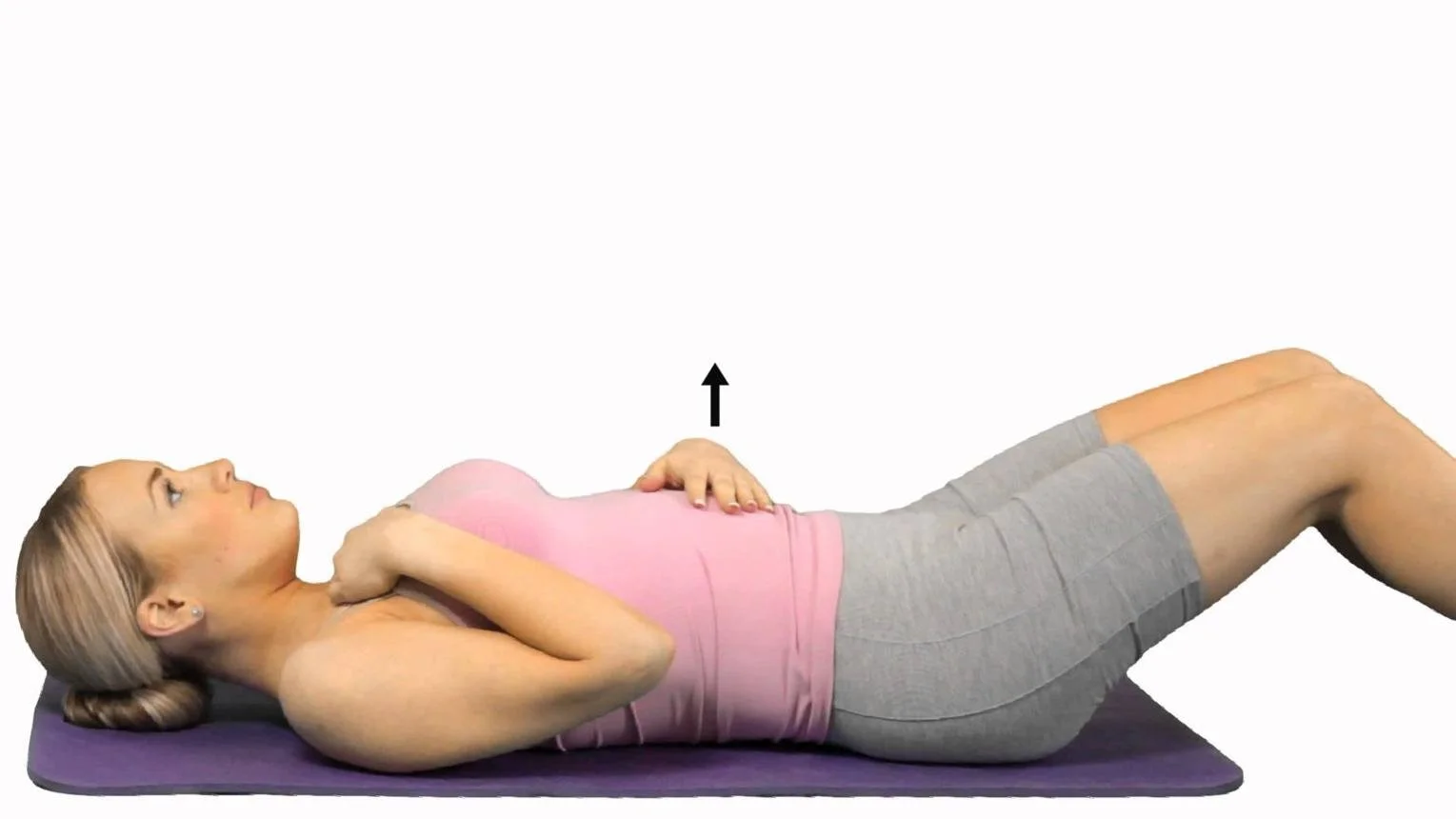
Practice: Lie on your back. Inhale through the nose for 4 seconds. Exhale through the nose for 6 seconds. Repeat for 5 minutes.
Why it works: A longer exhale than inhale moves the autonomic nervous system into parasympathetic dominance, which is the state where repair, digestion, and detox happen. This single practice improves mitochondrial oxygen delivery, supports NAD+ utilization, and creates the autonomic conditions methylation needs to run efficiently.
Phase 2. Lymphatic Reset Walking (daily, 10 to 20 minutes)

Practice: A slow walk at conversational pace, with the mouth closed and breathing only through the nose. Skip the loud podcast. The aim is to walk and breathe.
Why it works: Nasal breathing increases nitric oxide production, which improves vascular tone and oxygen delivery. The rhythmic pumping of slow walking is the primary engine of the lymphatic system. Together they support cytokine balance, insulin sensitivity, and the steady detox flow your peptide protocol depends on.
Phase 3. Fascia Hydration Movements (3 times weekly)

Practice:
Cat-cow, 10 reps
Thoracic rotation, 10 reps each side
Child's pose, held for 60 seconds
Why it works: Fascia is hydrated and remodeled by gentle, multi-directional movement, not by stretching to end range. These three movements rehydrate the thoracolumbar fascia, support collagen signaling, and improve receptor communication during the tissue-repair phases of peptide therapy.
Phase 4. Anti-Inflammatory Strength Signals (2 to 3 times weekly)
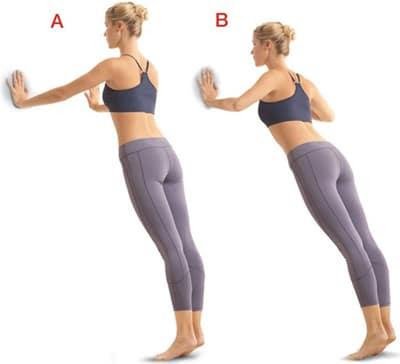
Practice (2 rounds):
Wall pushups, 10 reps
Sit-to-stand from a chair, 10 reps
Resistance band rows, 10 reps
Why it works: Low-load resistance work is one of the most efficient signals for mitochondrial biogenesis and methyl donor storage capacity. It is enough to cue the body to build, but not so much that it triggers a stress response that competes with regenerative signaling.
Phase 5. Evening Down-Regulation Reset (nightly, 3 minutes)
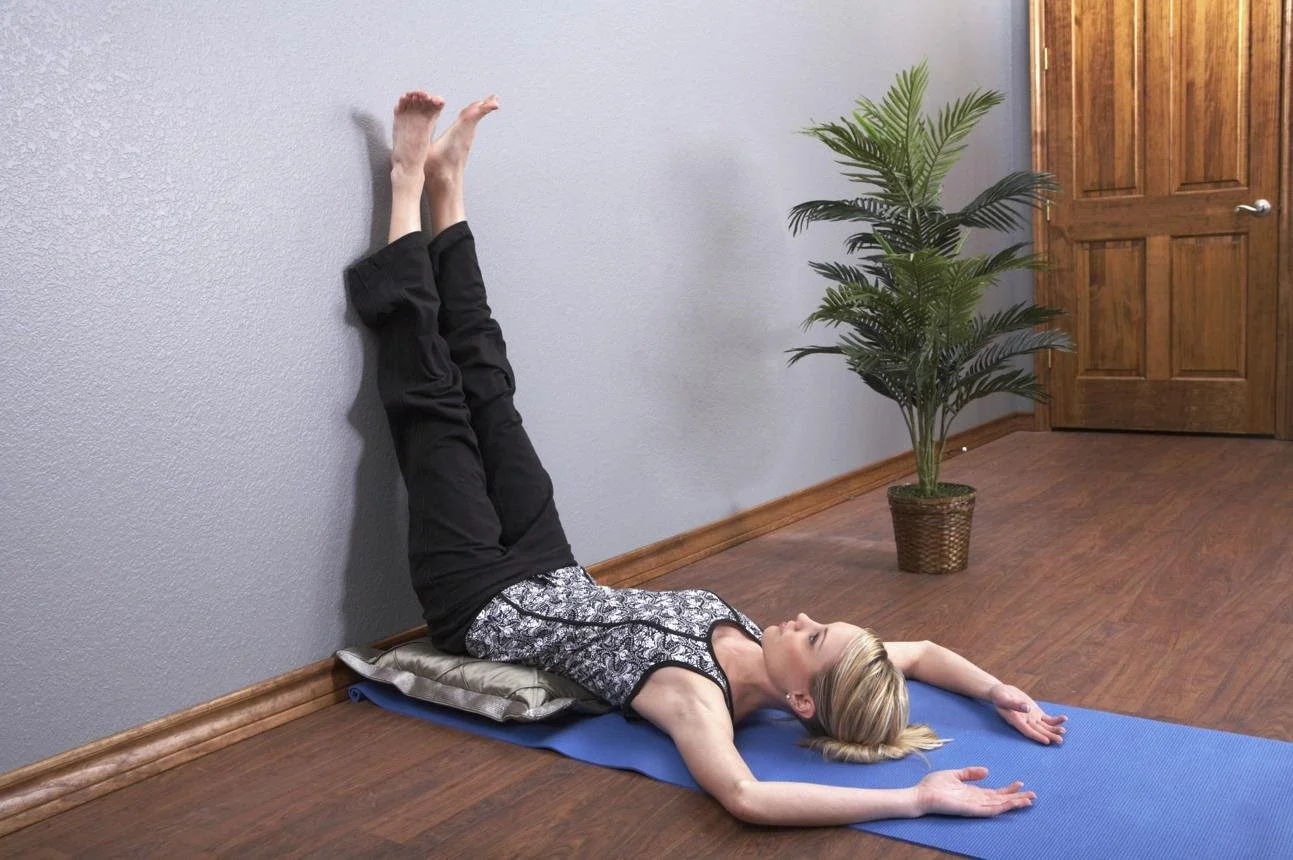
Practice: Lie on your back, scoot your hips toward a wall, and rest your legs straight up against the wall. Stay for 3 minutes, breathing slowly through the nose.
Why it works: Legs-up-the-wall reverses gravity on the venous and lymphatic systems and supports glymphatic clearance during the sleep cycle that follows. It also helps prime the growth hormone windows that open during deep sleep, when the body integrates regenerative signaling most effectively.
A clinical insight from Taochemy
Gentle rhythmic movement does more than burn energy. It signals safety to the nervous system, and a body that reads safety is a body that is willing to repair. That is the same body your peptide protocol is asking to remodel.
When patients pair their peptide care, NAD+ infusions, or weight management plan with the Gentle Reset, we typically see better receptor responsiveness, more stable methylation patterns, cleaner detox, sharper mitochondrial signaling, and a faster integration of regenerative care.
You do not need another expensive intervention to amplify the work you are already doing. Fifteen to twenty-five minutes a day is usually enough to change how the body responds.
Ready to start?
The Gentle Reset is included as foundational support for every patient on a peptide, NAD+, or weight management protocol at Taochemy. If you are already a patient, ask your nurse practitioner about pairing it with your current plan. If you are considering regenerative care for the first time, schedule a free 15 minute consultation. We will walk you through which pillars matter most for your goals and how the Gentle Reset fits into your protocol.
The information in this article is educational and reflects the Taochemy™ approach to integrated wellness. It is not medical advice and is not intended to diagnose, treat, cure, or prevent any disease. Always consult with your healthcare provider before beginning a new movement, supplement, or peptide protocol, especially if you are pregnant, postpartum, recovering from injury, or managing a chronic condition.
